
McLaughlin’s boat buying guide

Find the boat for your kind of lake day.

Family cruising. Early-morning fishing. One more turn behind the boat. Start with how you want to spend your time, then compare the boats that fit.

Pontoons · Fishing boats · Surf & wake boats

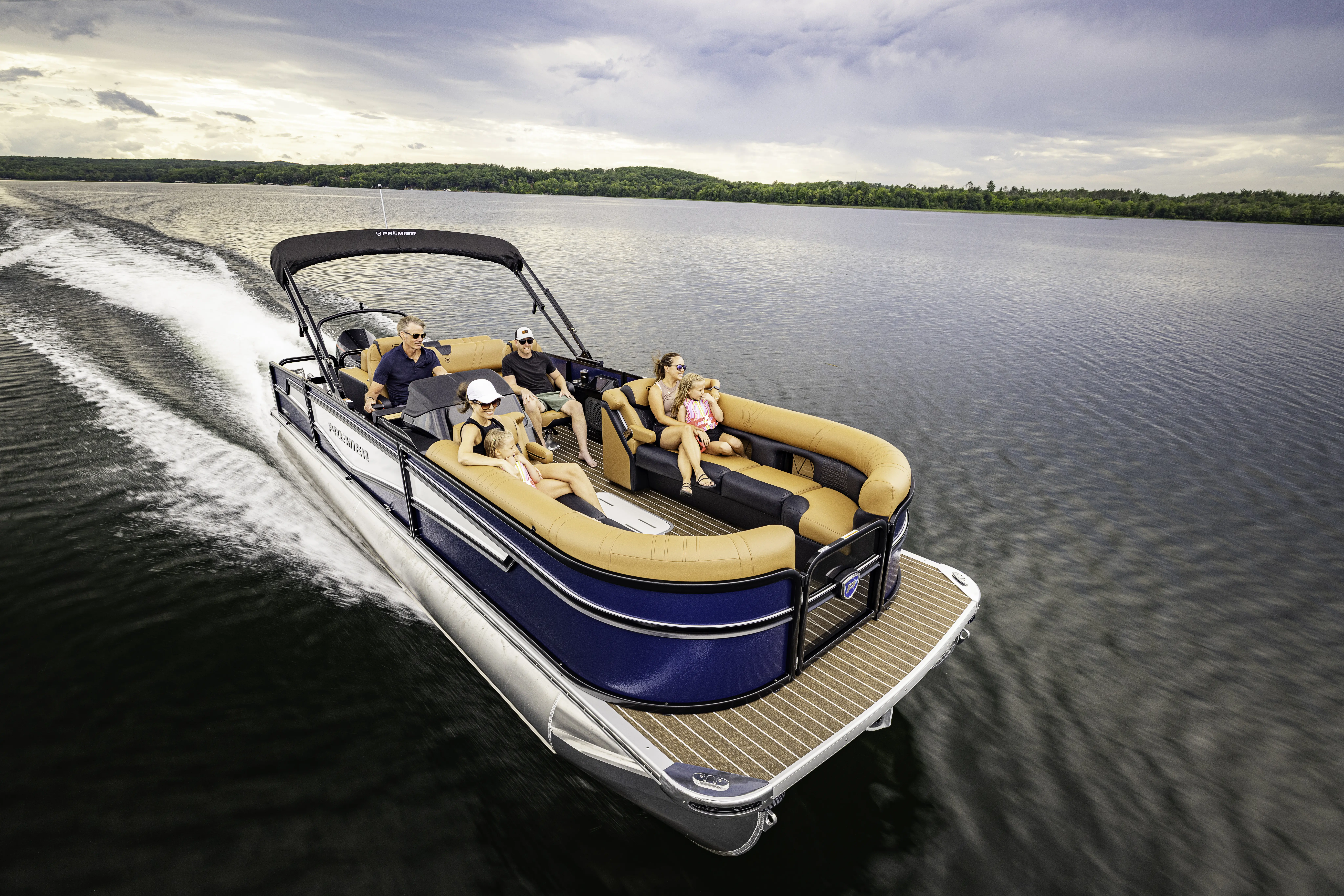
A pontoon cruising across the lake

More good days on the water start with the right fit.

01 / Start with your day on the water

Which boat fits you?

Choose the activity you will do most often. Then look at the layout, power and equipment that make that day easier.

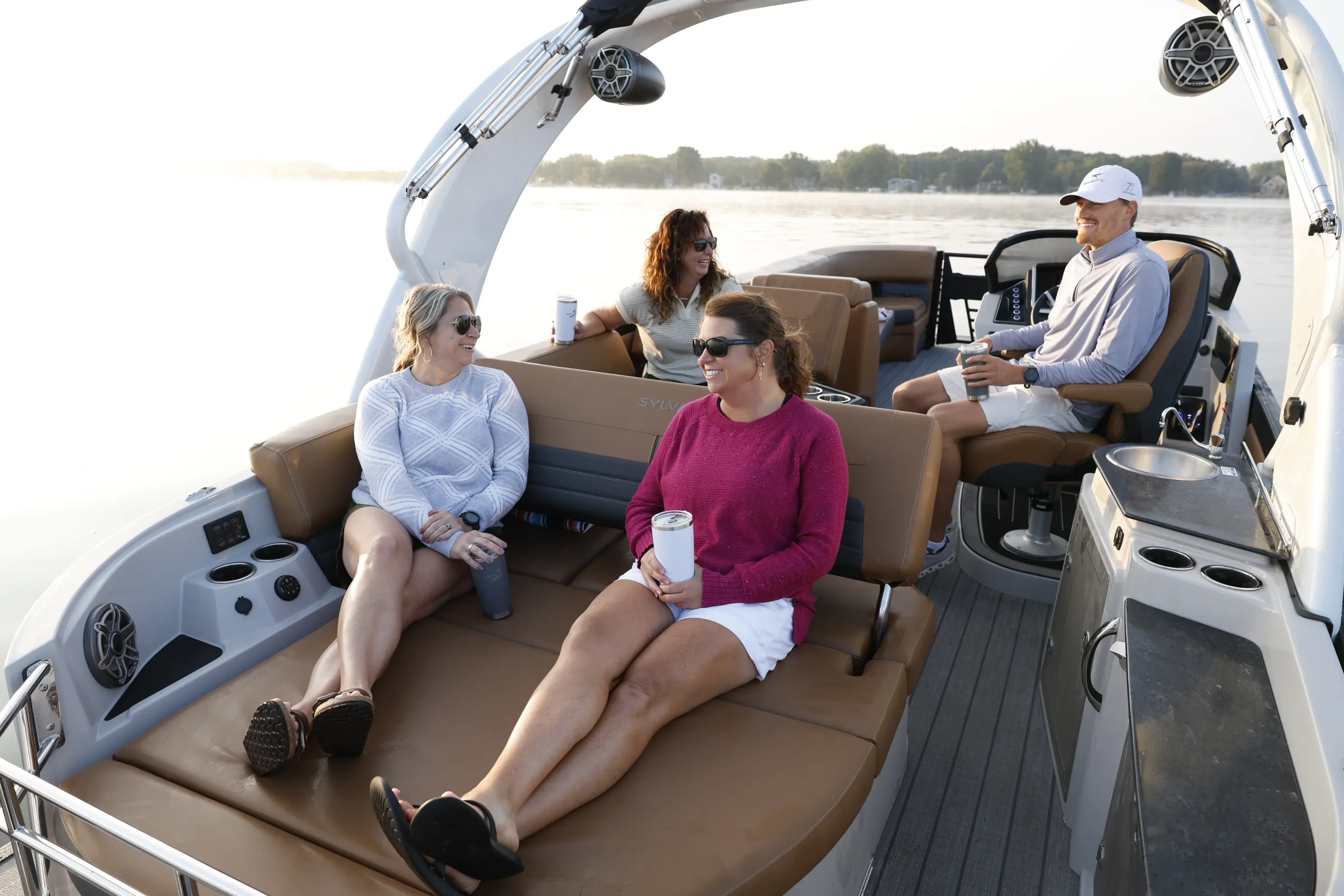
Friends relaxing in a pontoon’s lounge seating

Cruise · Relax · Gather

Pontoons & tritoons

Room to spread out, comfortable seating and a layout built around time together.

Start here if…
Your ideal day includes family, friends, swimming and an easy cruise.
Compare carefully
Seating plan, shade, boarding access, storage, tube configuration and power with your usual crew aboard.
Ask us
“Which layout and engine package fit our lake and the people we bring?”
Shop Pontoons →
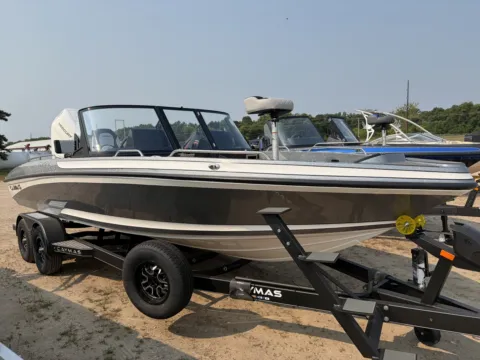
Caymas deep-V fishing boat on its trailer

Cast · Troll · Explore

Fishing boats

Fishing space, gear access and a working layout for the way you spend a day chasing fish.

Start here if…
Fishing is the main event, whether you troll, cast, jig or mix it up.
Compare carefully
Hull and ride, casting space, rod storage, livewells, electronics, trolling motor and battery setup.
Ask us
“How is this boat equipped for the kind of fishing we actually do?”
Shop Fishing Boats →
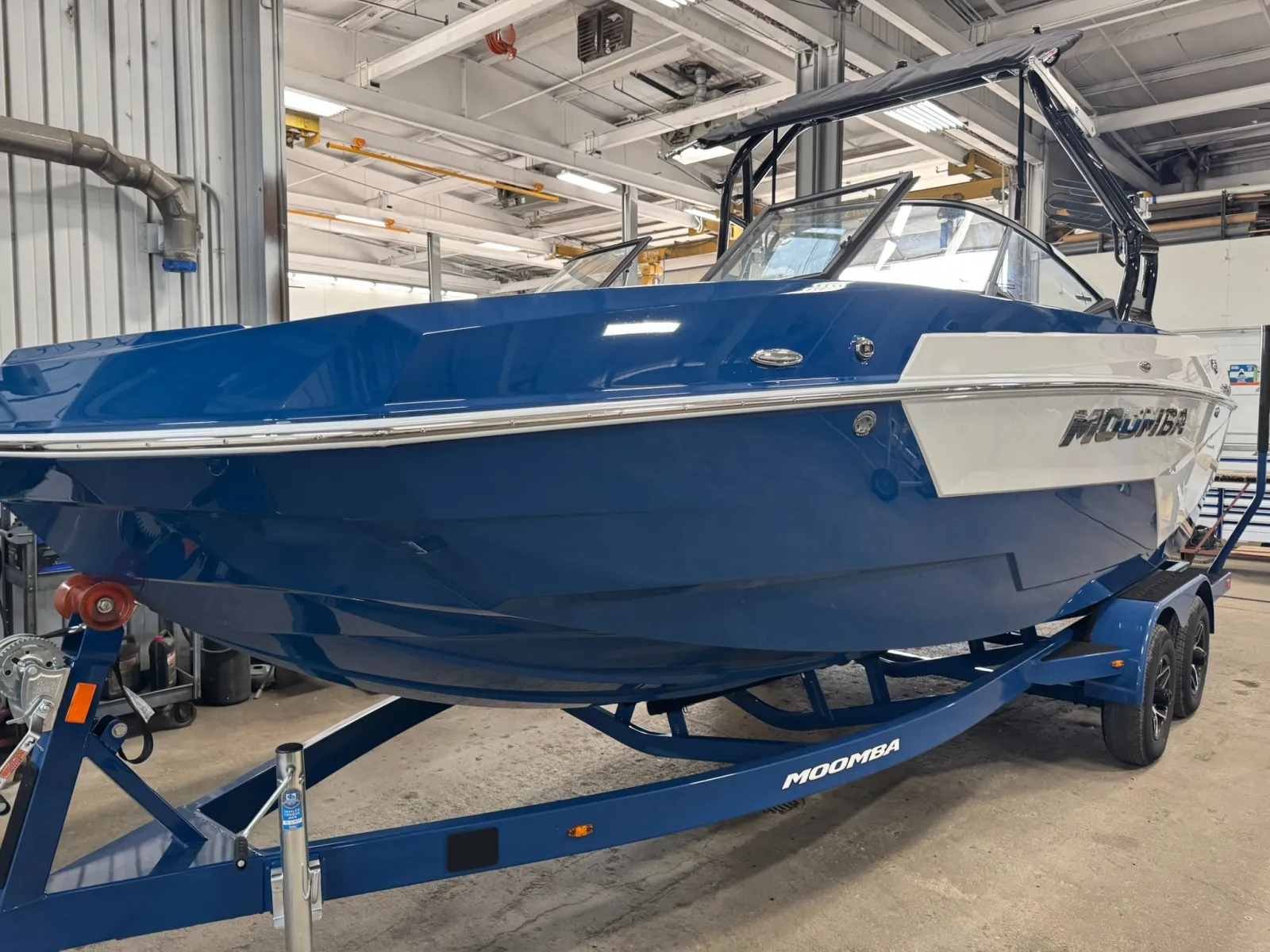
Blue Moomba wake boat with a watersports tower

Surf · Ride · Repeat

Surf & wake boats

Purpose-built towboats that make the rider’s experience and the driver’s controls central to the design.

Start here if…
Your crew plans the day around wakesurfing or wakeboarding.
Compare carefully
Wave adjustment, ballast, speed control, board storage, passenger space and ease of use.
Ask us
“Can you walk us through the setup for a beginner and a more experienced rider?”
Shop Surf Boats →

A little of everything? Rank your top two activities and tell us how often you do each. A fishing pontoon or a versatile family layout may be worth comparing. For wakesurfing, choose a boat specifically designed and approved for that activity; a tow point alone does not make a boat surf-ready.

02 / Buy with a clearer picture

10 questions worth asking.

Use these when you compare boats, review a quote or walk through a model with our team. Tap any question to open the details.

01How will you use the boat most often?

Picture a normal Saturday, not just the one big outing of the summer. Decide whether cruising, fishing or watersports comes first, and which activity comes second. That gives you a useful starting point for choosing a category.

Talk through how much time you expect to spend underway, at the dock, swimming or towing riders. The right compromise is different for every family.

Make it practical: Tell us your two main activities and the lake you use most.

02Who will usually come with you?

Plan around your regular crew, plus the guests you realistically expect. Look at both the passenger rating and the weight capacity for the specific boat; the number of seats does not tell the whole story.

Think about children, grandparents, pets, fishing partners and the gear everyone brings. Try the boarding points, seating and paths through the boat together.

Make it practical: Show us where everyone would sit and where the bags, cooler and gear would go.

03What water will you boat on?

Tell us about your home lake, typical wind and chop, water depth, and the distance you usually travel. A sheltered evening cruise and a long run across open water put different demands on a boat.

Compare the hull, handling and ride with those conditions in mind. Also check whether the boat fits your dock, lift, access route and storage space.

Make it practical: Bring your lift ratings and measurements, including storage length and height.

04What does good performance mean to you?

For one family, it means relaxed cruising with a full crew. For another, it means reaching fishing spots efficiently or creating a repeatable wave for riders. Define the result you want before comparing horsepower or packages.

On a pontoon, discuss tube design and handling. On a fishing boat, discuss ride and control. On a surf boat, discuss wave adjustment and driver controls.

Make it practical: Ask what you can compare during an available on-water demonstration.

05Does the layout work in real life?

Walk through the boat as though you are already using it. Open the storage, sit at the helm, reach the cupholders and look at the path to the boarding area. A roomy-looking boat can still put the wrong feature in your way.

Anglers should check rod and tackle access. Families should compare seating and entry points. Riders should think about boards, wet gear and getting ready for the next turn.

Make it practical: Try your three most common movements: boarding, reaching gear and changing seats.

06What is included in this exact package?

Compare the specific boat you are considering, not only the model name or a starting price. Engine, trailer, cover, electronics, batteries, shade and optional packages can change the comparison.

Ask for an itemized quote showing included equipment, requested additions, taxes and applicable fees. Confirm the configuration on the actual boat or order.

Make it practical: Put the two written quotes side by side and mark the equipment differences.

07Is the engine right for our use?

Discuss your usual passenger and gear load, cruising expectations and any towing activities. Stay within the manufacturer’s ratings and compare the engine, propeller and boat as a package.

The largest horsepower number is not automatically the right answer. Ask how the proposed setup performs for your intended use and what maintenance it requires.

Make it practical: Describe a fully loaded day, including passengers, gear and planned activities.

08Will everyone be comfortable for a full day?

Sit in the seats for more than a quick look. Compare shade coverage, back support, legroom, windshield protection, swim access and the view from the helm. Look at where wet towels and personal items will go.

Comfort also includes how the boat rides and how easy the controls are to understand. Bring the people who will spend the most time aboard when you compare layouts.

Make it practical: Check the driver’s sightlines and reach, then try the passenger seats.

09What will ownership look like after delivery?

Ask about the service schedule, winterization, storage, warranty coverage and the process for getting help. Review what coverage applies to the boat, engine and installed equipment; terms may differ.

For a used boat, ask for available service records, condition information, engine hours and details of any remaining transferable warranty. Discuss any inspection or demonstration you need before deciding.

Make it practical: Ask who to contact for service and what to plan for before your first season.

10Does the complete purchase make sense for us?

Review the whole package: useful features, condition, expected use, ownership costs and support. A low starting price is only one part of the decision.

If financing, compare the down payment, amount financed, APR, term and total of payments as well as the monthly payment. Keep room in your budget for the way you will use and care for the boat.

Make it practical: Choose the boat you will enjoy using and can comfortably own beyond the first summer.

03 / Compare the complete picture

Plan for the boat—and the seasons ahead.

A useful budget includes the purchase, the equipment you need and the costs of keeping the boat ready to use.

What comes with the purchase?

  • Exact boat, engine and installed options
  • Trailer and the equipment needed to tow it
  • Cover, shade, electronics and requested accessories
  • Safety gear, dock lines and fenders
  • Taxes, registration and applicable fees
  • Delivery or setup arrangements, if needed

Ask what is included and what is additional on the boat you choose.

What should you plan for each season?

  • Fuel and normal operating supplies
  • Insurance appropriate for your use
  • Scheduled engine and boat maintenance
  • Dock, lift or marina arrangements
  • Winterization and offseason storage
  • Trailer upkeep and future equipment needs

Costs vary by boat, location, usage and the services you choose.

New or used? A new boat lets you compare current configurations and available factory coverage. A used boat may offer a different combination of equipment and price. For either one, review the exact condition, included equipment and applicable warranty before deciding.

McLaughlin’s RV & Marine · Est. 1966

Good advice before the purchase.
Useful help after it.

Compare what matters.

Tell us about your lake, your crew and the way you want to use your boat. We can help you work through layouts, equipment and the differences between your options.

Know what you are buying.

Ask for a clear explanation of the boat, motor, trailer and included equipment. Review the full quote and warranty details for the specific boat you choose.

Plan for ownership.

Talk with our team about service, seasonal care and storage needs. Our Owner Help & How-To page keeps useful boating resources in one place.

Let’s narrow it down

Tell us what a great lake day looks like.

You do not need to know the model or have every answer. Start with what matters to you.

In your message, tell us:

  • Where you plan to boat
  • How many people usually come along
  • Your favorite activities
  • Any boats you are comparing
  • A budget range, if you have one in mind

We’ll help you identify what to compare next and answer questions about boats in our inventory.

Ask a boat buying question

Use the message box to tell us what you are looking for.